
Rising Star School – Borehole in Hopley
PARTNER
Rising Star Primary School Hopley
Vision & Hope Foundation
Engineers Without Borders Germany
ZimRelief e.V.
LOCATION
Hopley, Harare, Zimbabwe
COMMUNITY
Students, teachers, and administrative staff at the primary school in Hopley
PHASE
DURATION
2017
ARCHITECTURE
The project has was implemented by Engineers Without Borders Germany. Further information on the architecture of the Rising Star Borehole and the doctoral research activities of our founder Kristina Ziadeh.
The community is very happy because the education of their people is now recognised everywhere because of the school. And wherever we go, they now know about Rising Star because of the structures here, they are very very beautiful.
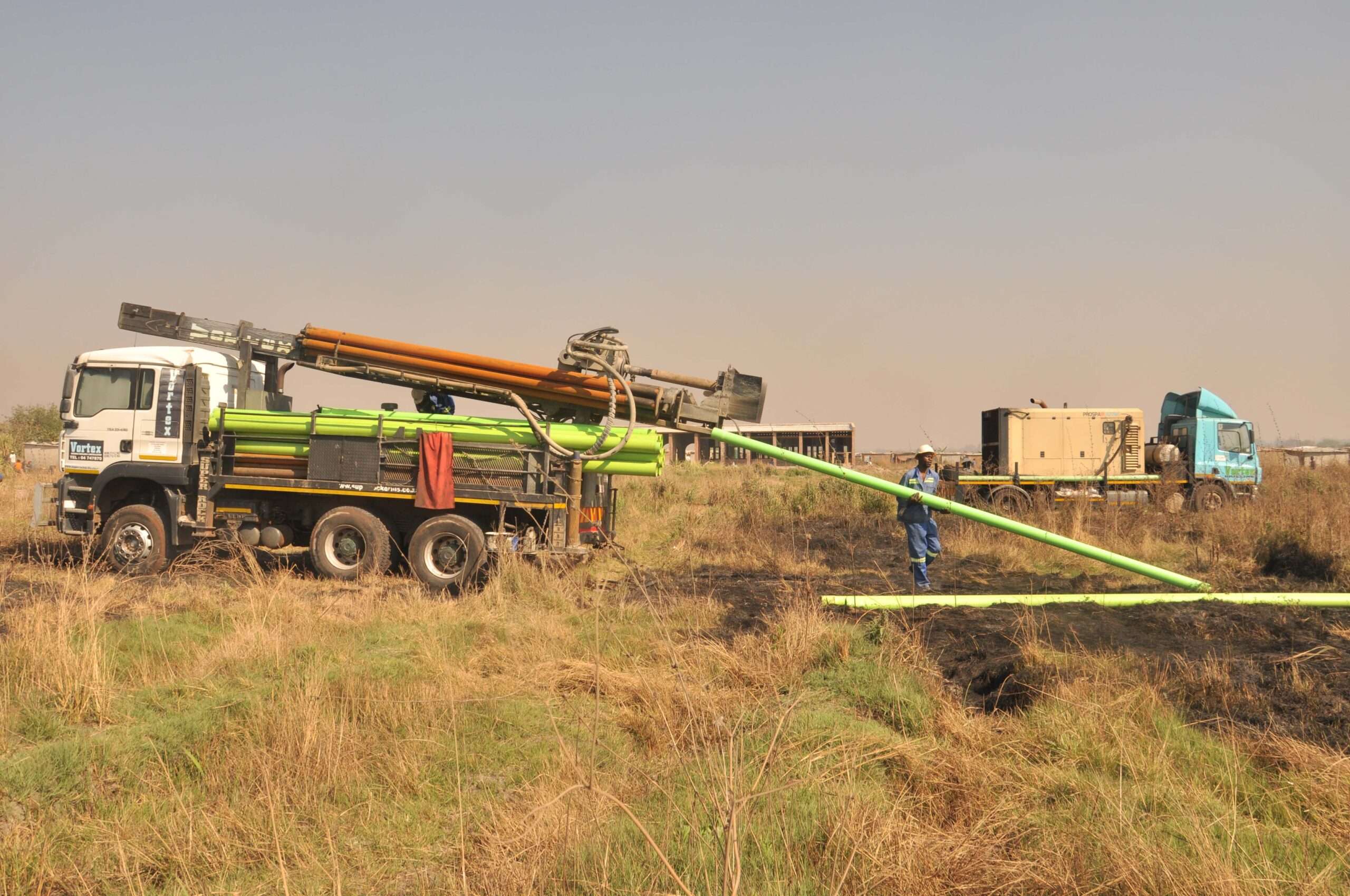
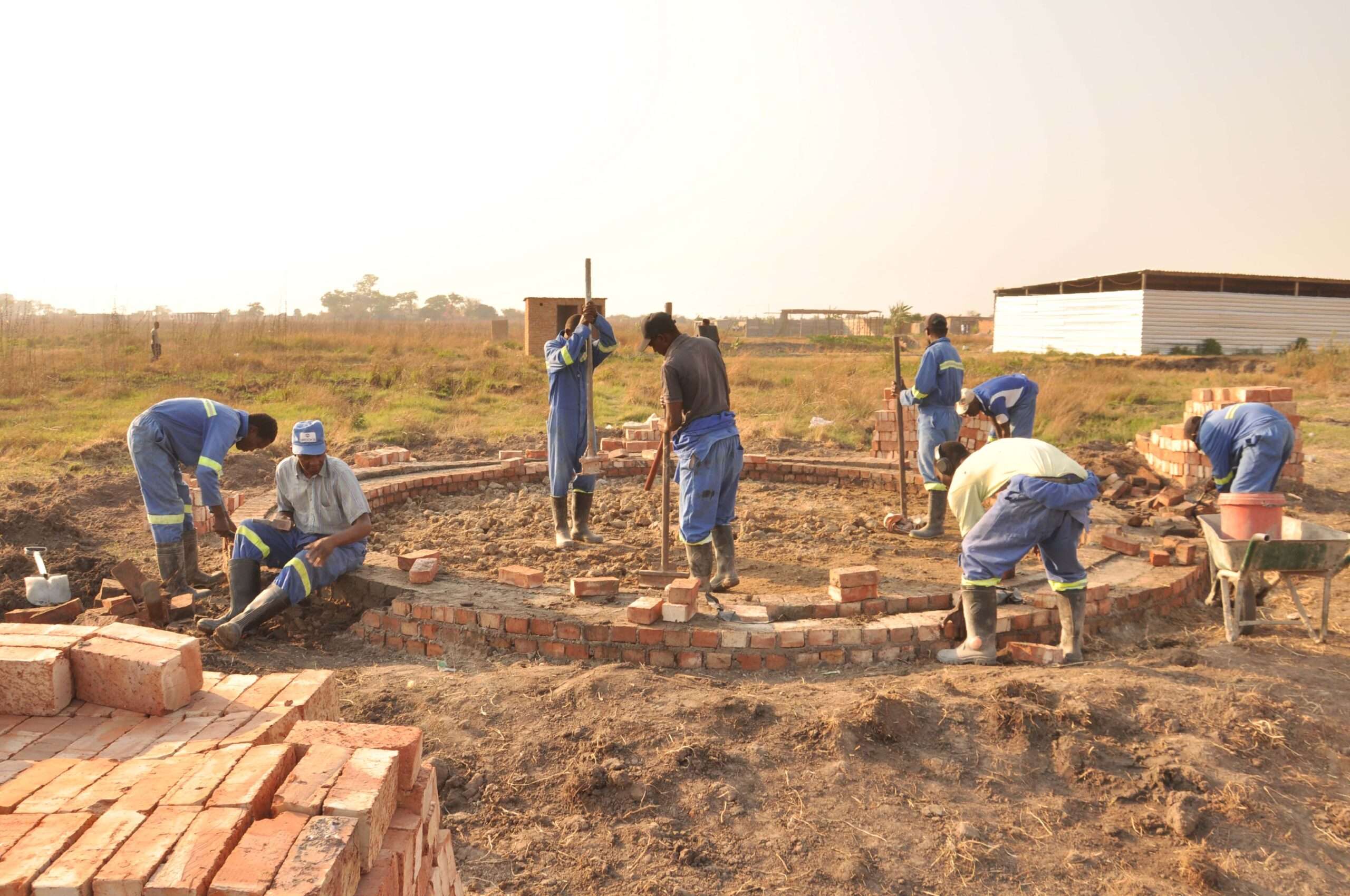
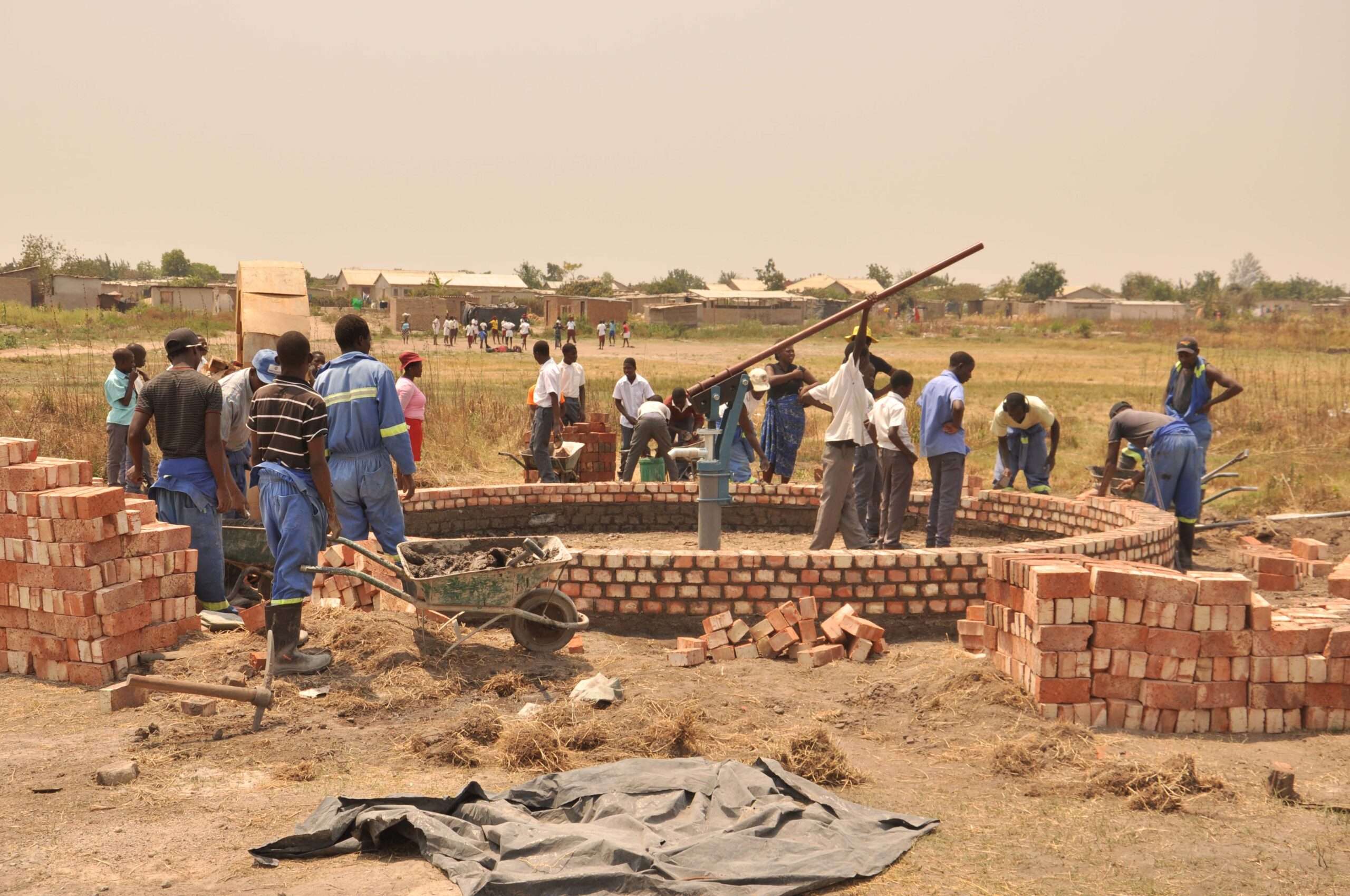
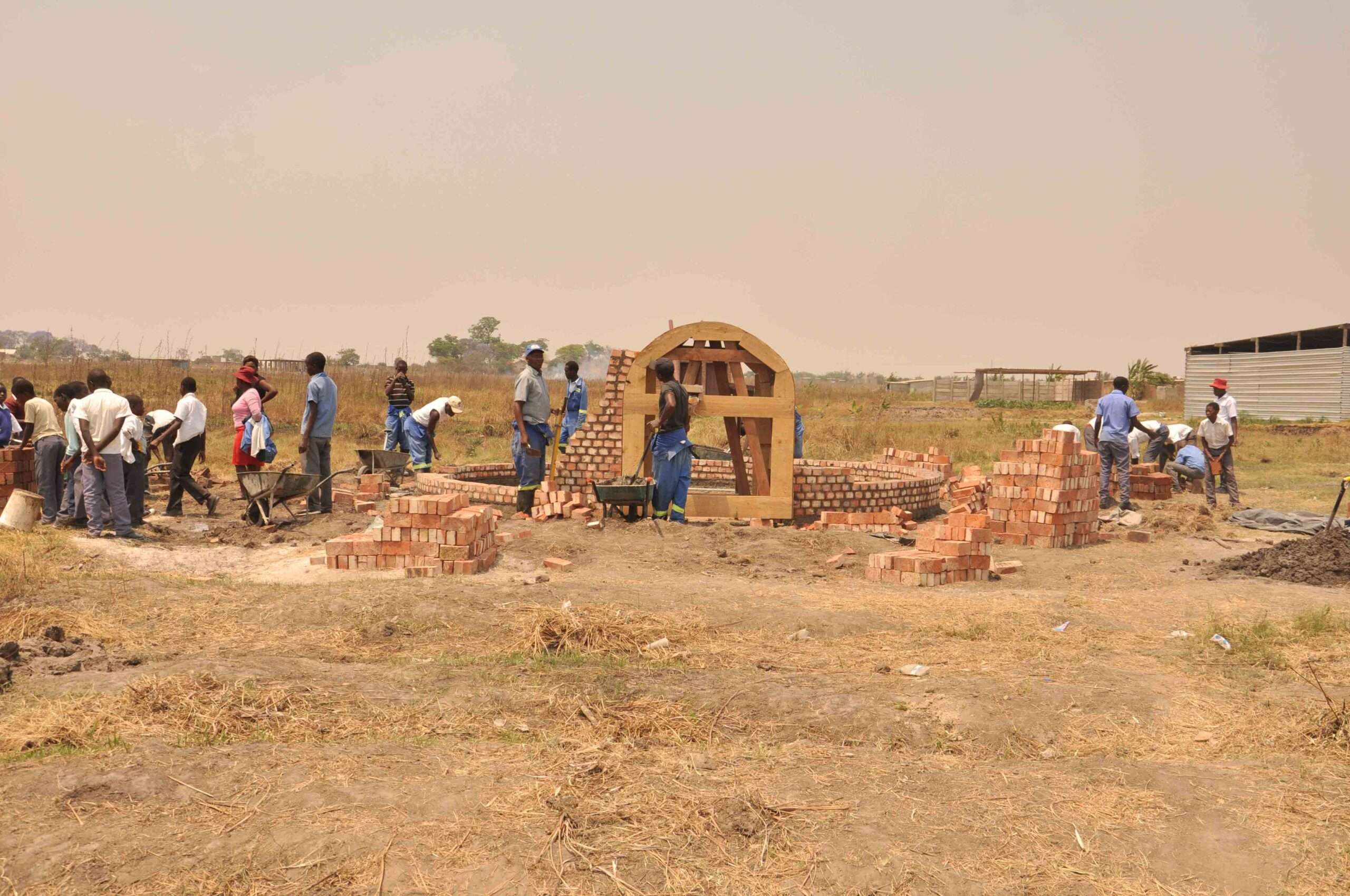
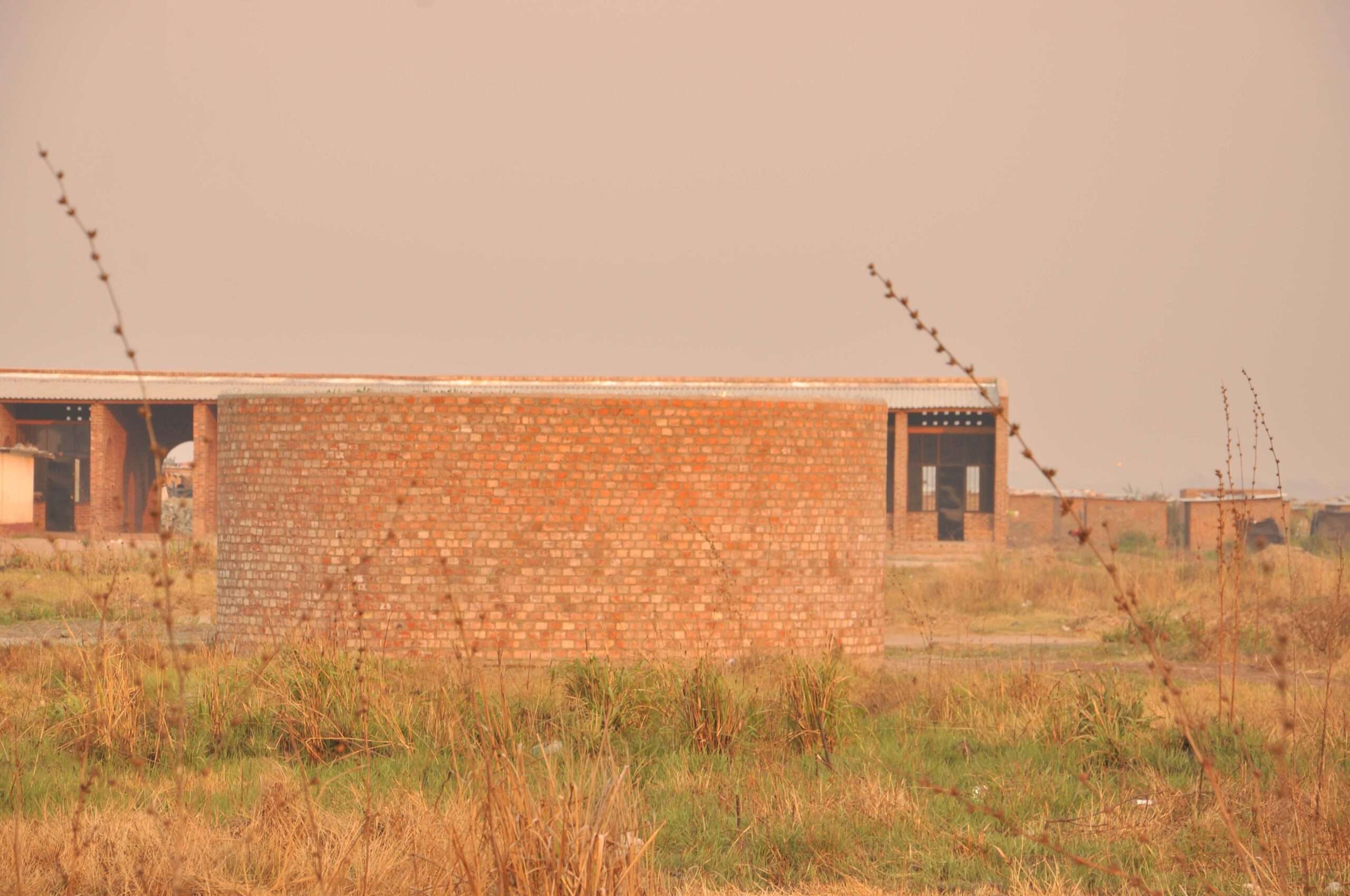
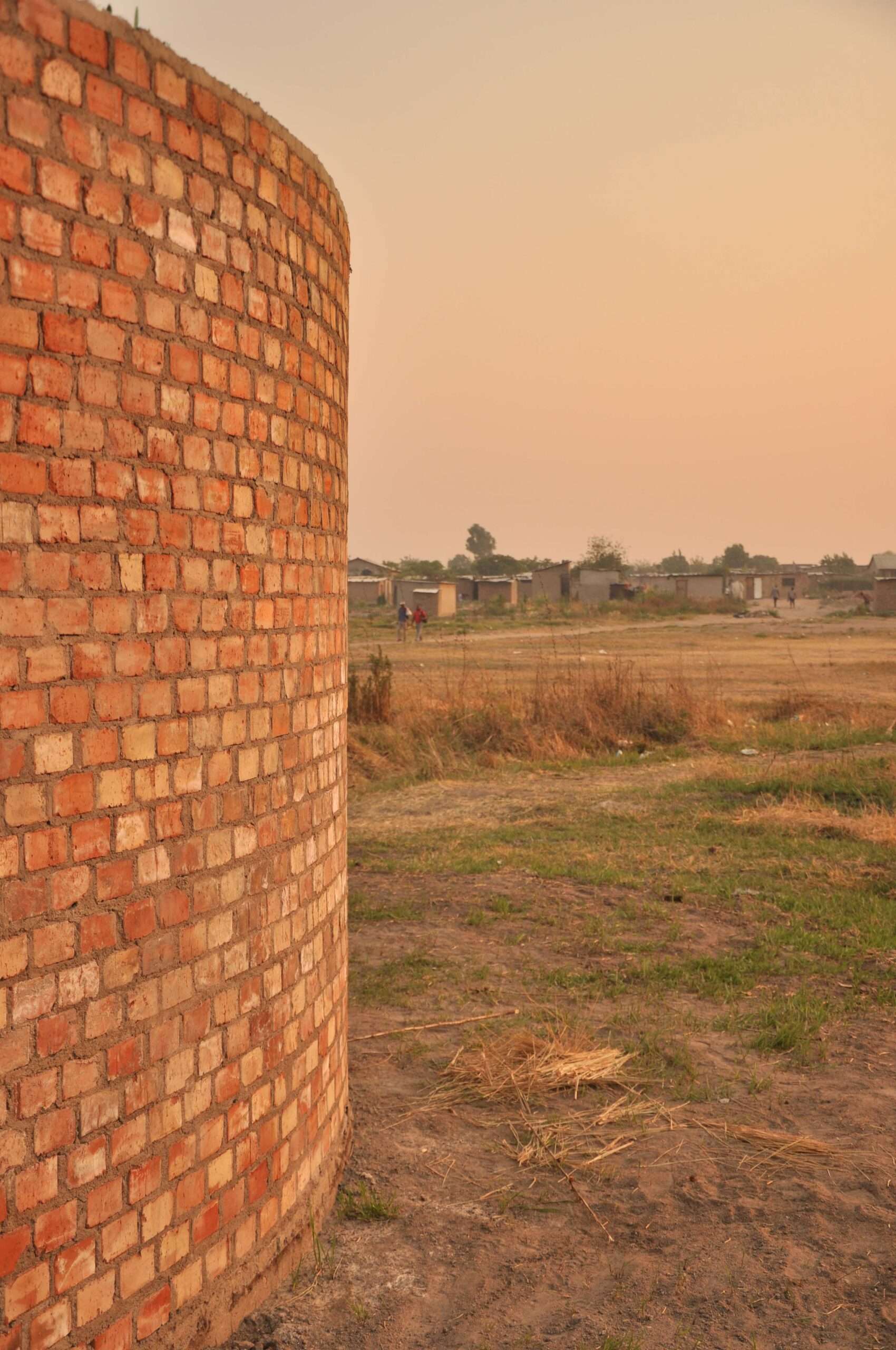
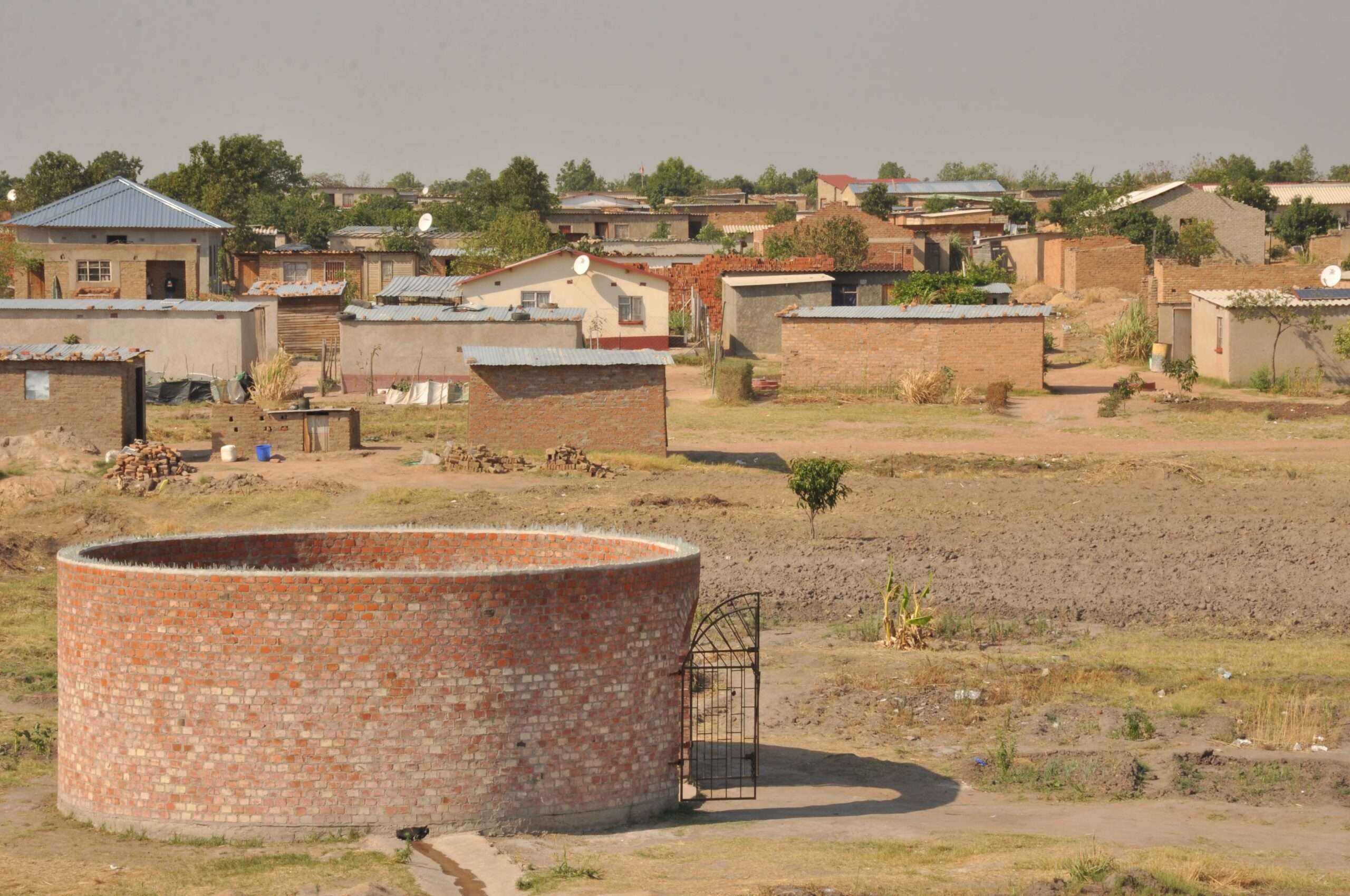
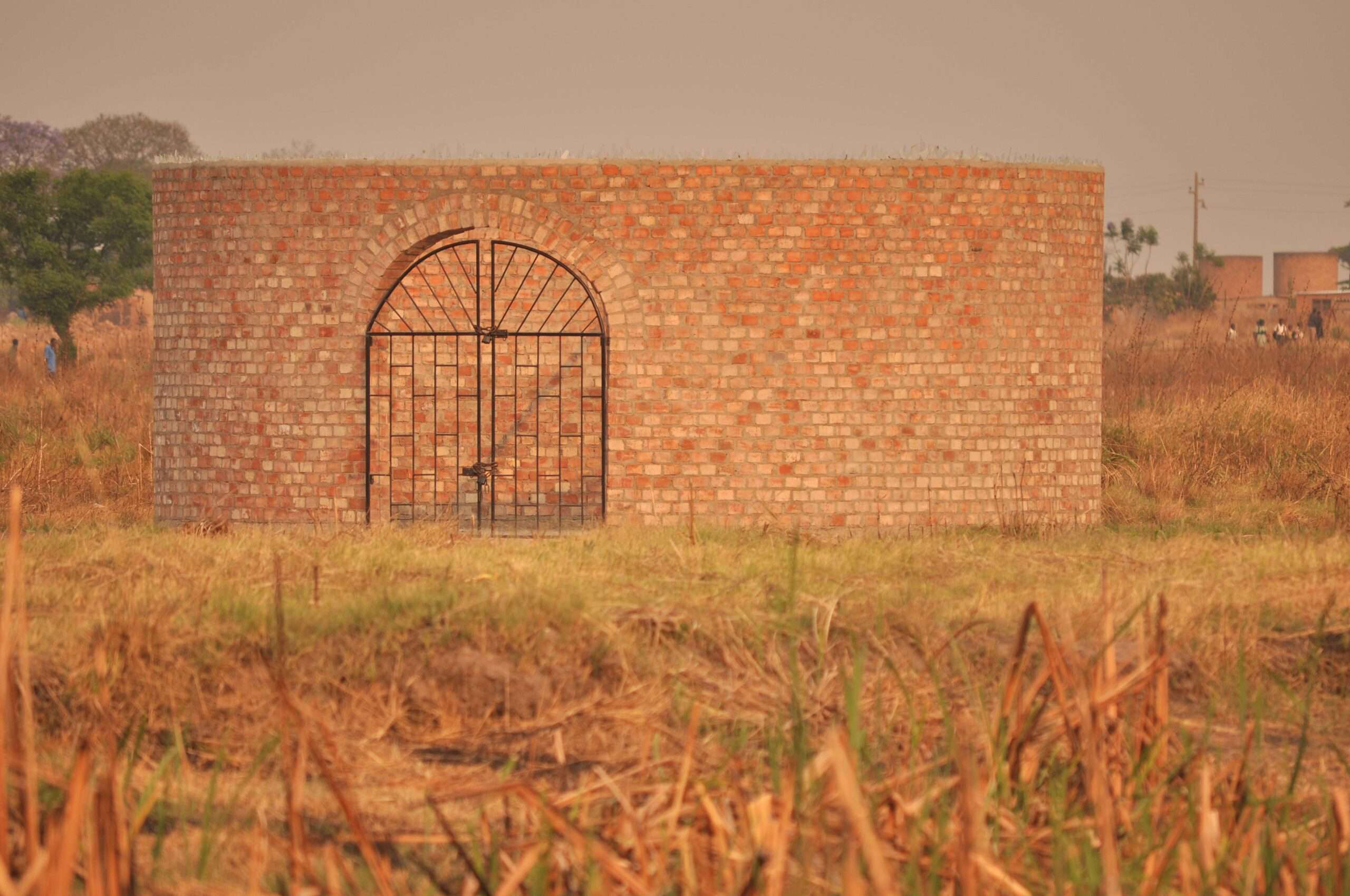
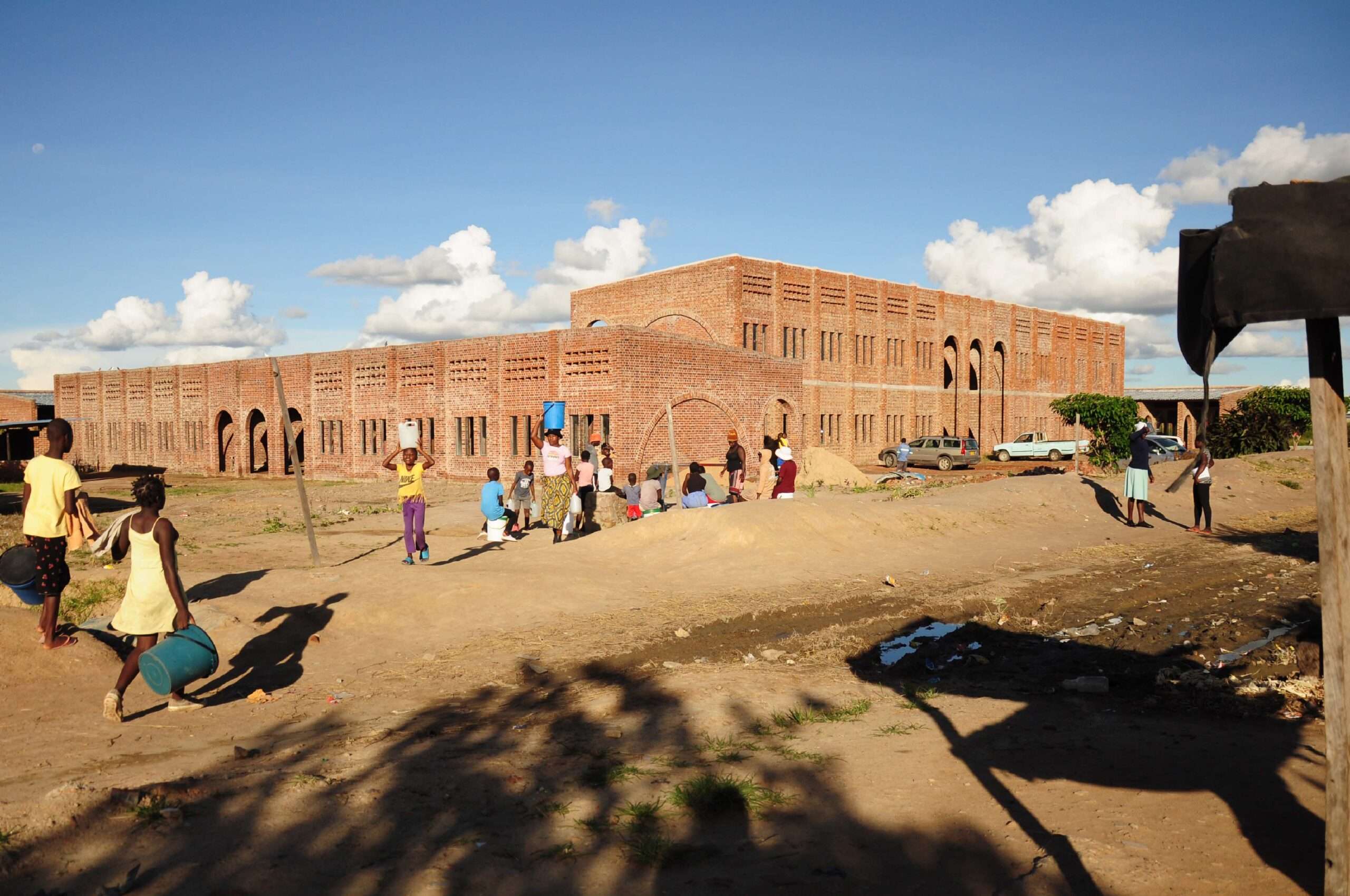
The Rising Star School is located on the outskirts of Harare, the capital of Zimbabwe. The Hopley neighbourhood is characterised by informal housing structures. An estimated 200,000 people live in Hopley, but it lacks basic urban infrastructure such as electricity, running water, and sanitation systems. In the heart of this densely populated settlement, the primary school serves as a hub for the community, functioning not only as a school during regular school hours but also as a gathering place for residents.
The school building was constructed jointly by the school administration, the Vision & Hope Foundation, and Engineers Without Borders Germany. After seven construction phases, it was completed and handed over in March 2023. In addition to classrooms and administrative offices, a sanitation building with separate toilets for girls, boys, and teachers was built by the same partners. Our founder, Kristina Ziadeh, oversaw the project and construction management on behalf of Engineers Without Borders.
During the second phase of the school building construction, a borehole was drilled for the school. A circular wall was constructed around the borehole. This provides the primary school with clean water year-round, something that is not a given in Hopley. The supply of drinking water allows the school children and teachers to focus on teaching and learning. Lunch preparation was made possible for the younger schoolchildren.
When the groundwater level drops at the end of the dry season and some private wells dry up, the school offers water from the school borehole to the residents, thus also supporting the surrounding neighbourhood during the climatically tense weeks of the year.