
Rising Star School – Energy and sanitation through solar power
PARTNER
Rising Star Primary School Hopley
LOCATION
Hopley, Harare, Zimbabwe
COMMUNITY
Students, teachers, and administrative staff at the primary school in Hopley
PHASE
DURATION
since 2025
ARCHITECTURE
The primary school in Hopley will receive a solar power system to support future-oriented teaching methods and energy-efficient practices. Further information on the architecture of the award-winning Rising Star Primary School.
Us teachers, we are happy because we are now learning in a comfortable, luxurious building with our kids. But right now we don’t have lights. We need light, we need electricity, because we are not teaching even ICT, we are only doing theory.
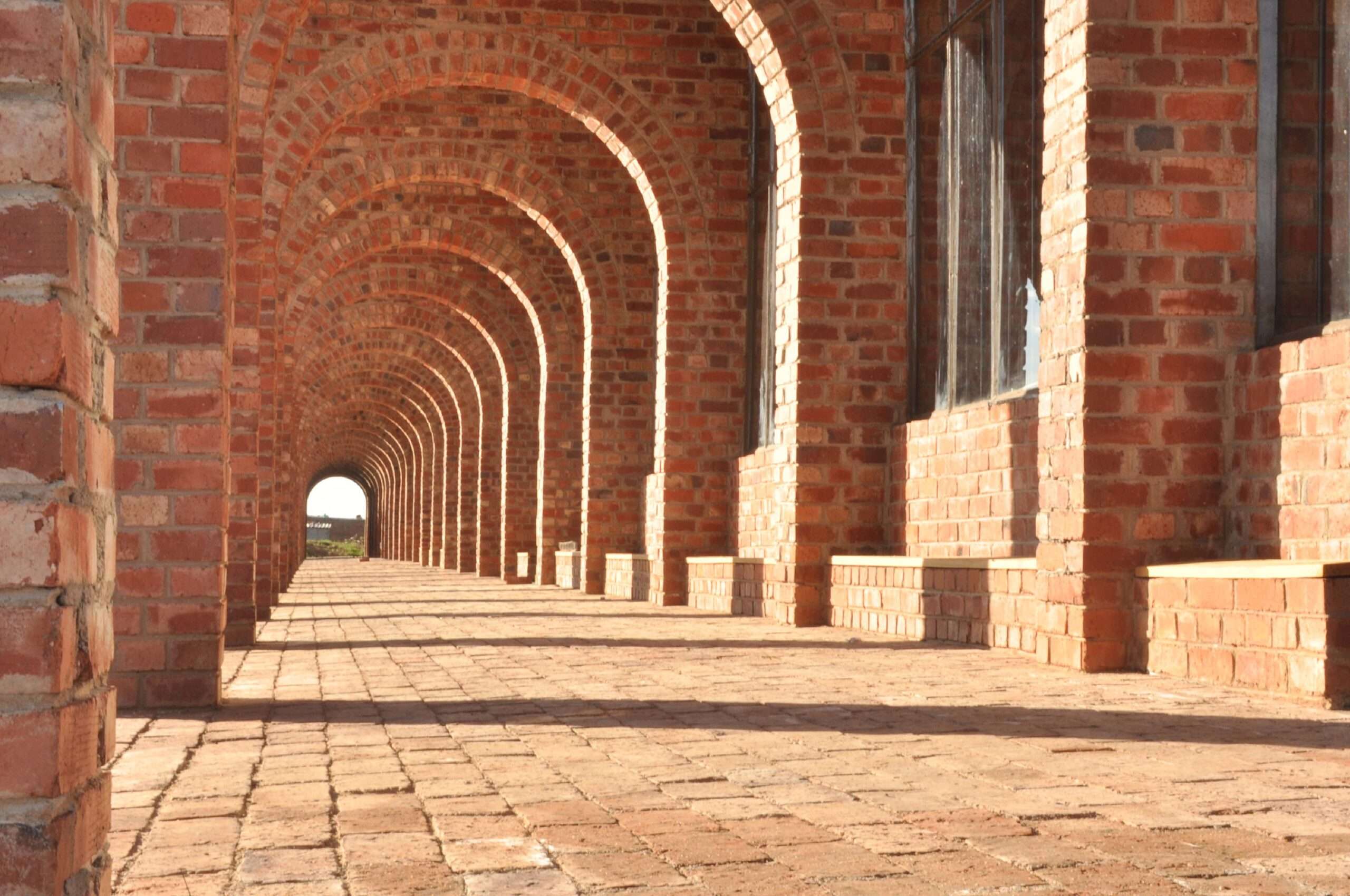
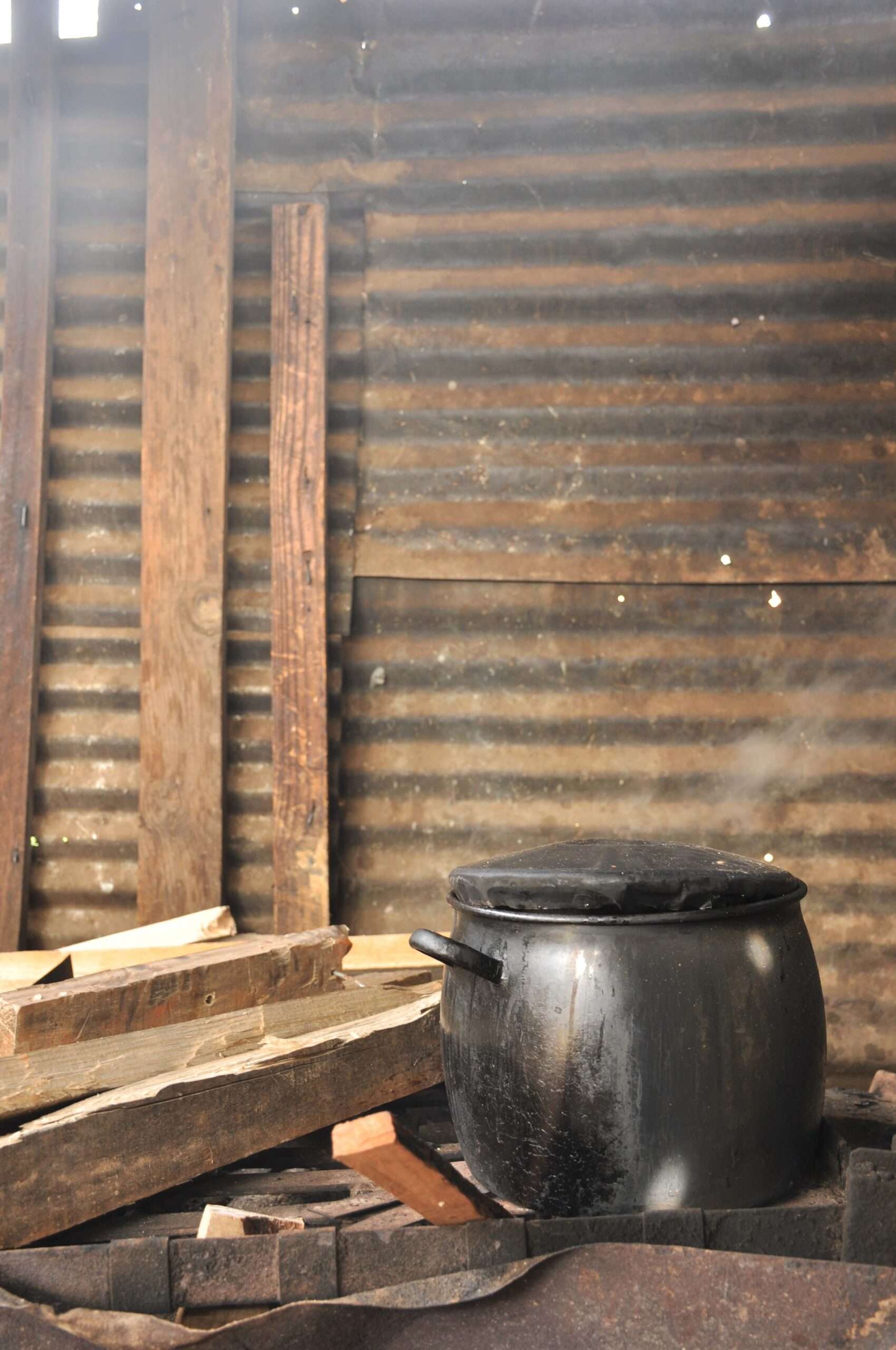
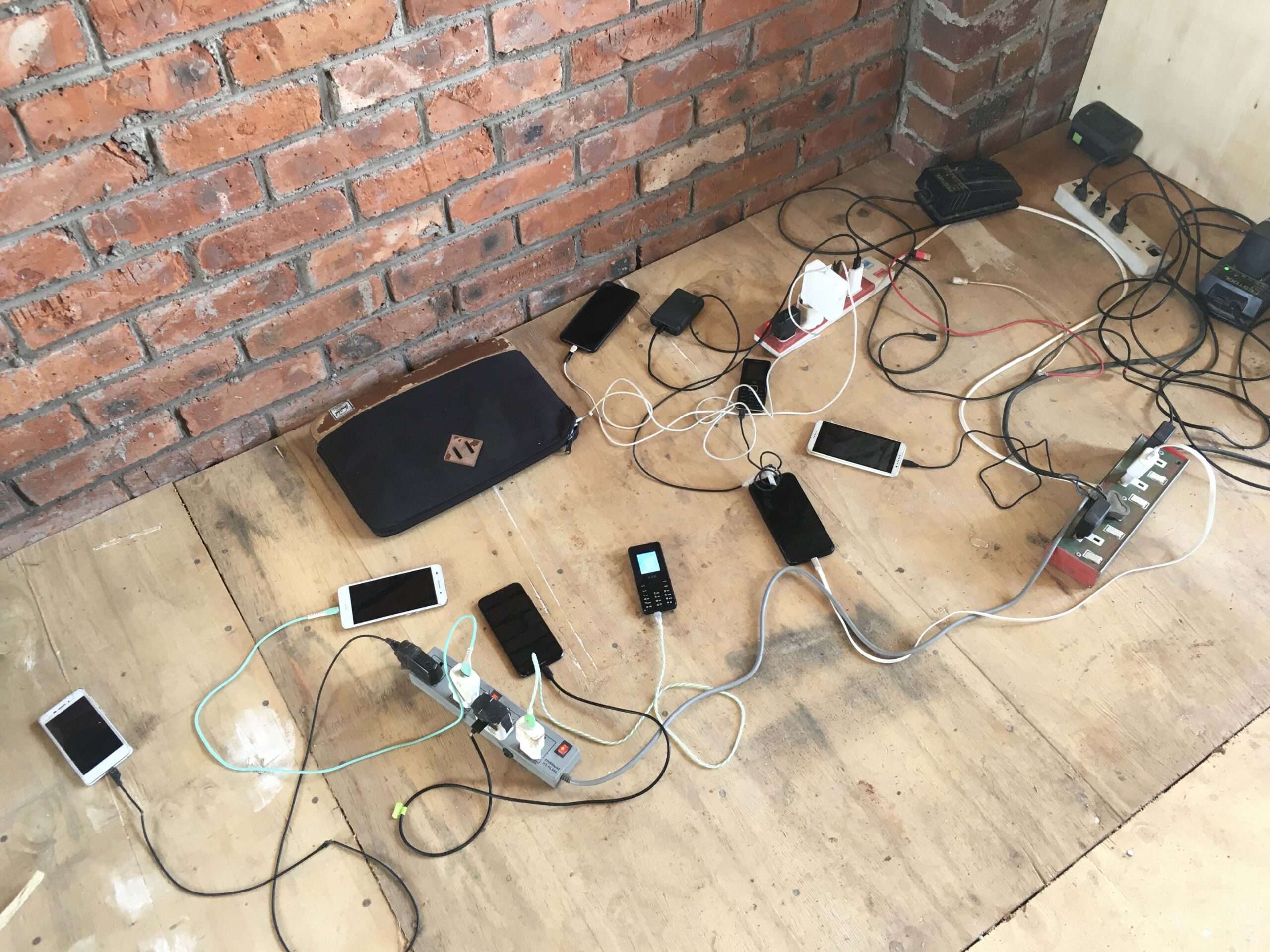
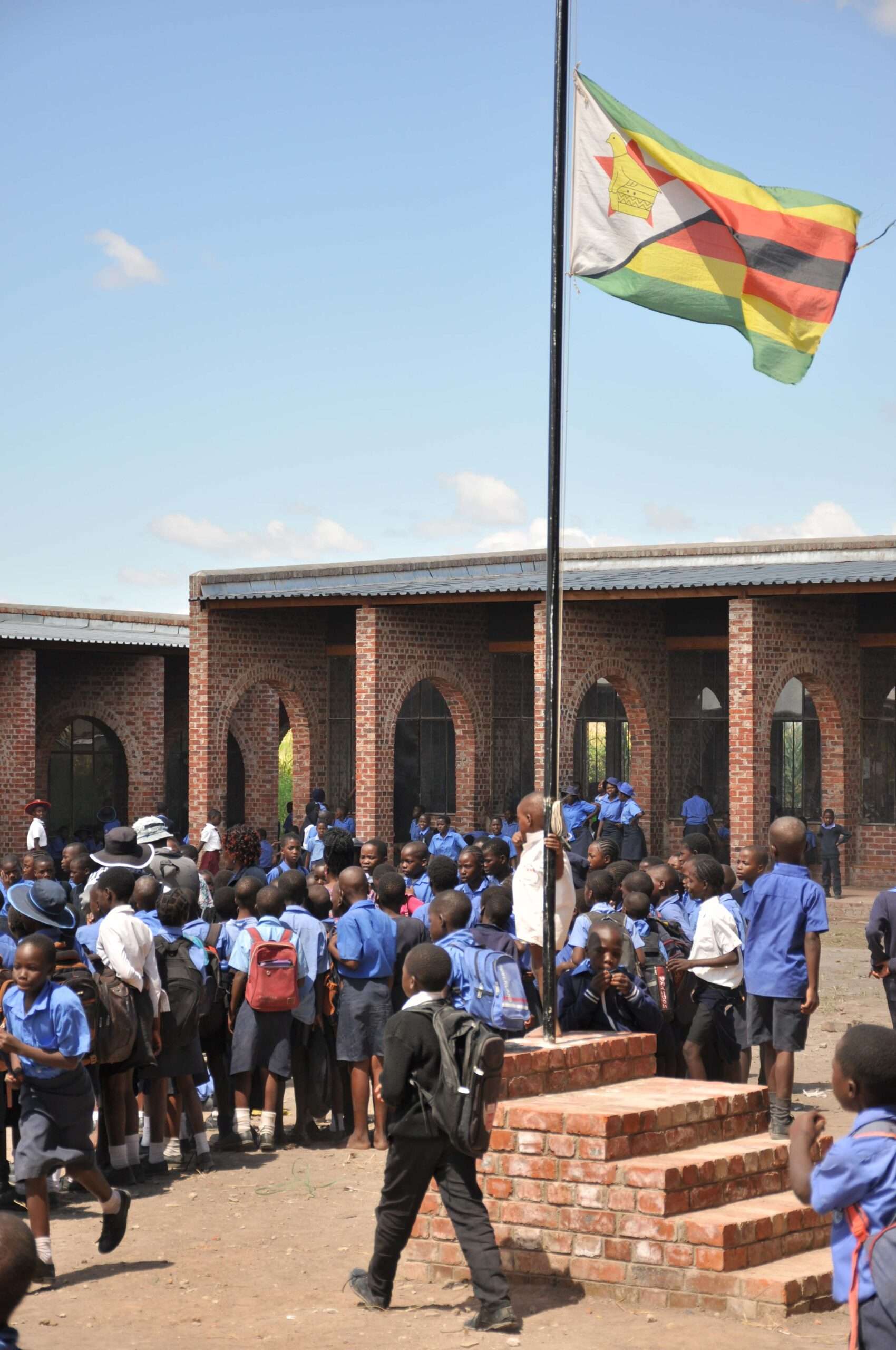
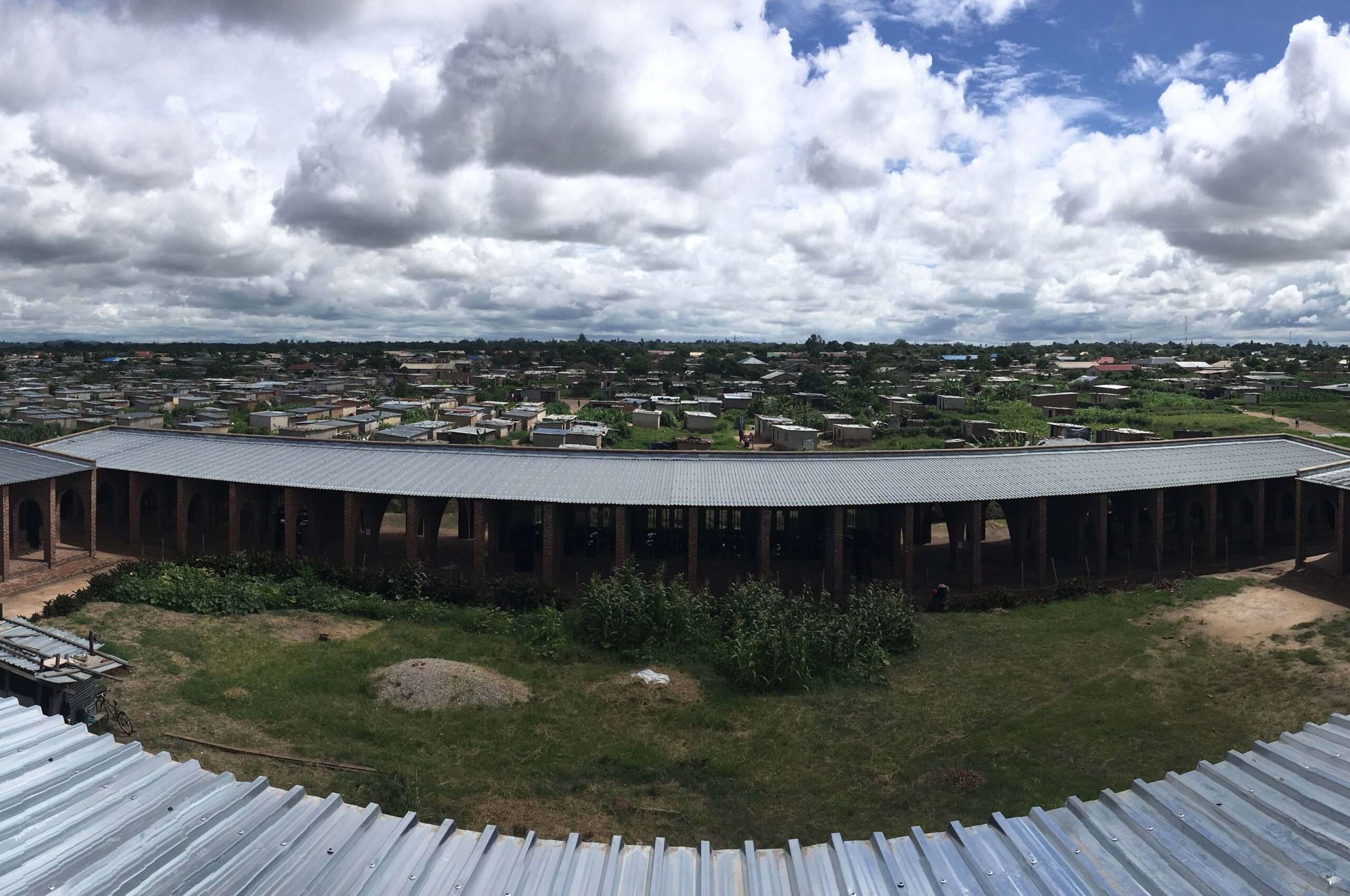
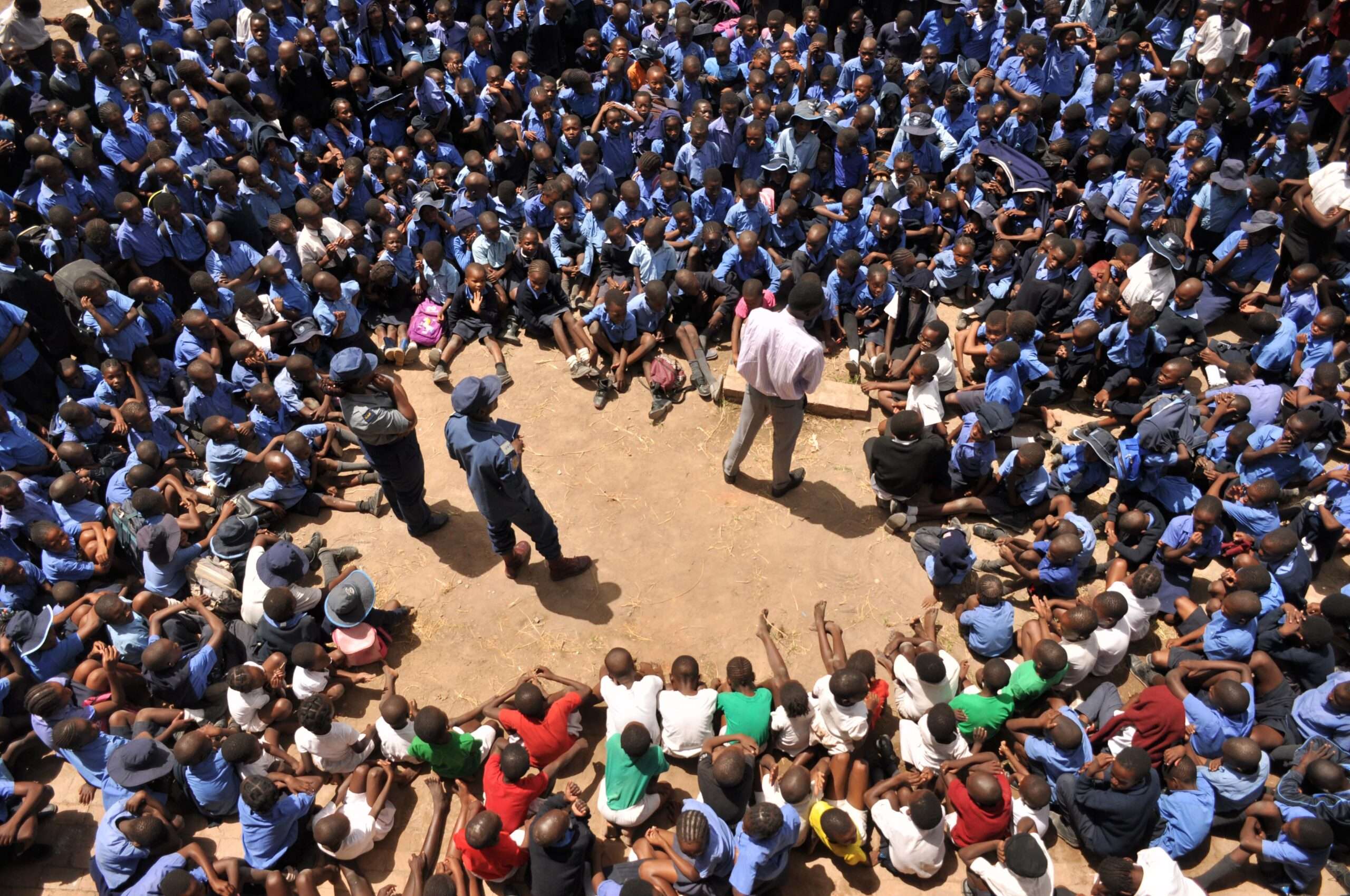
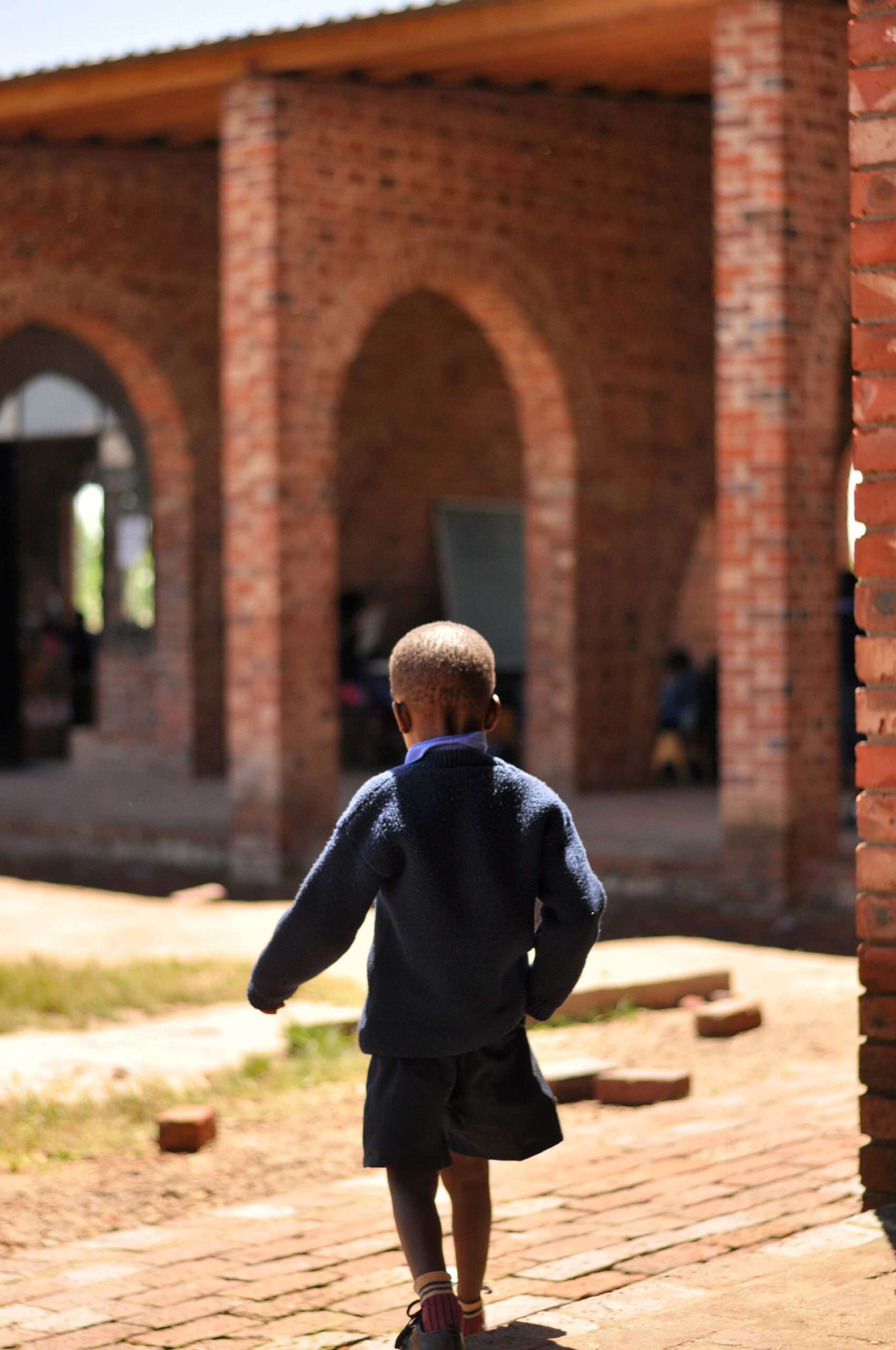
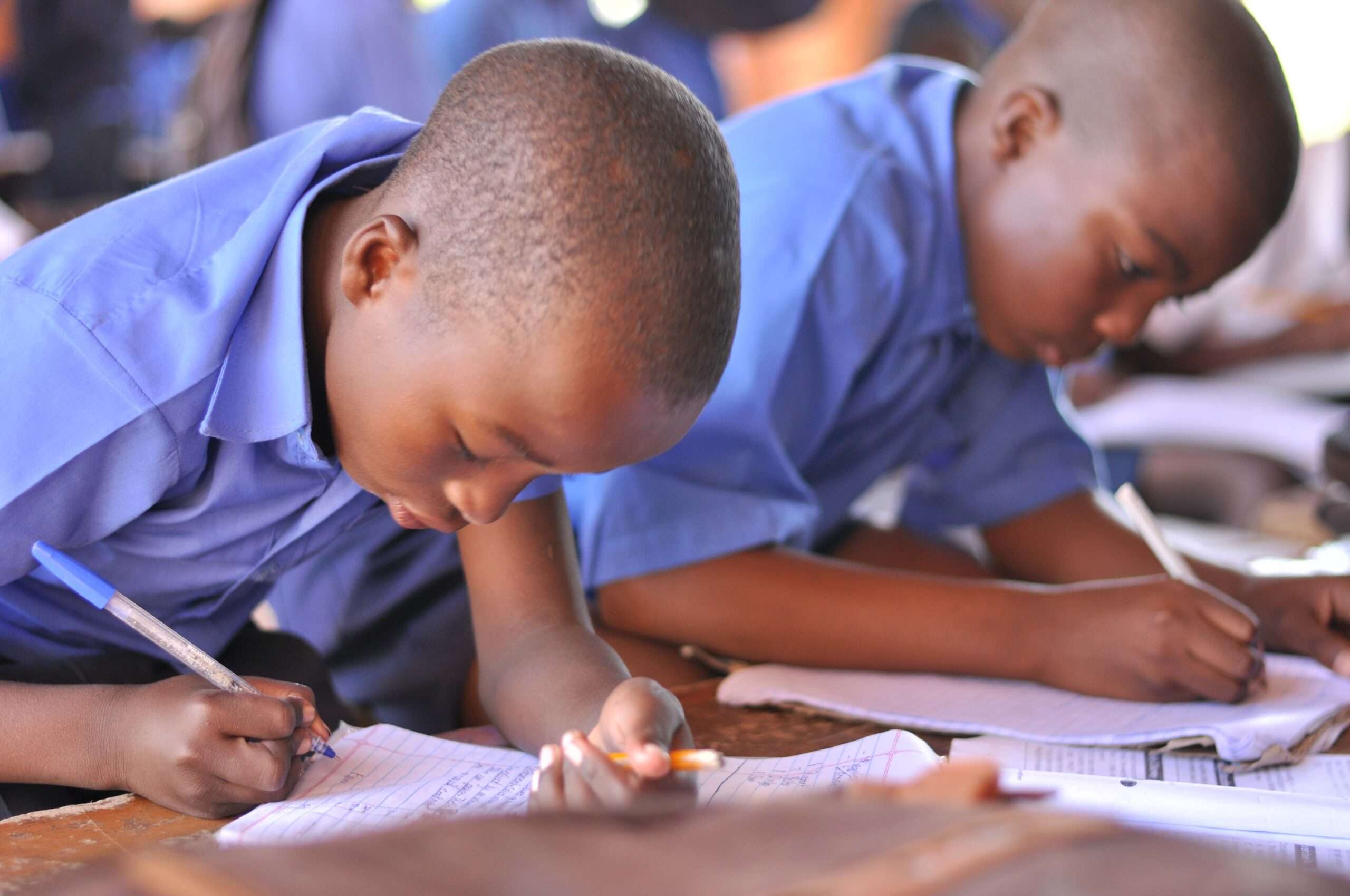
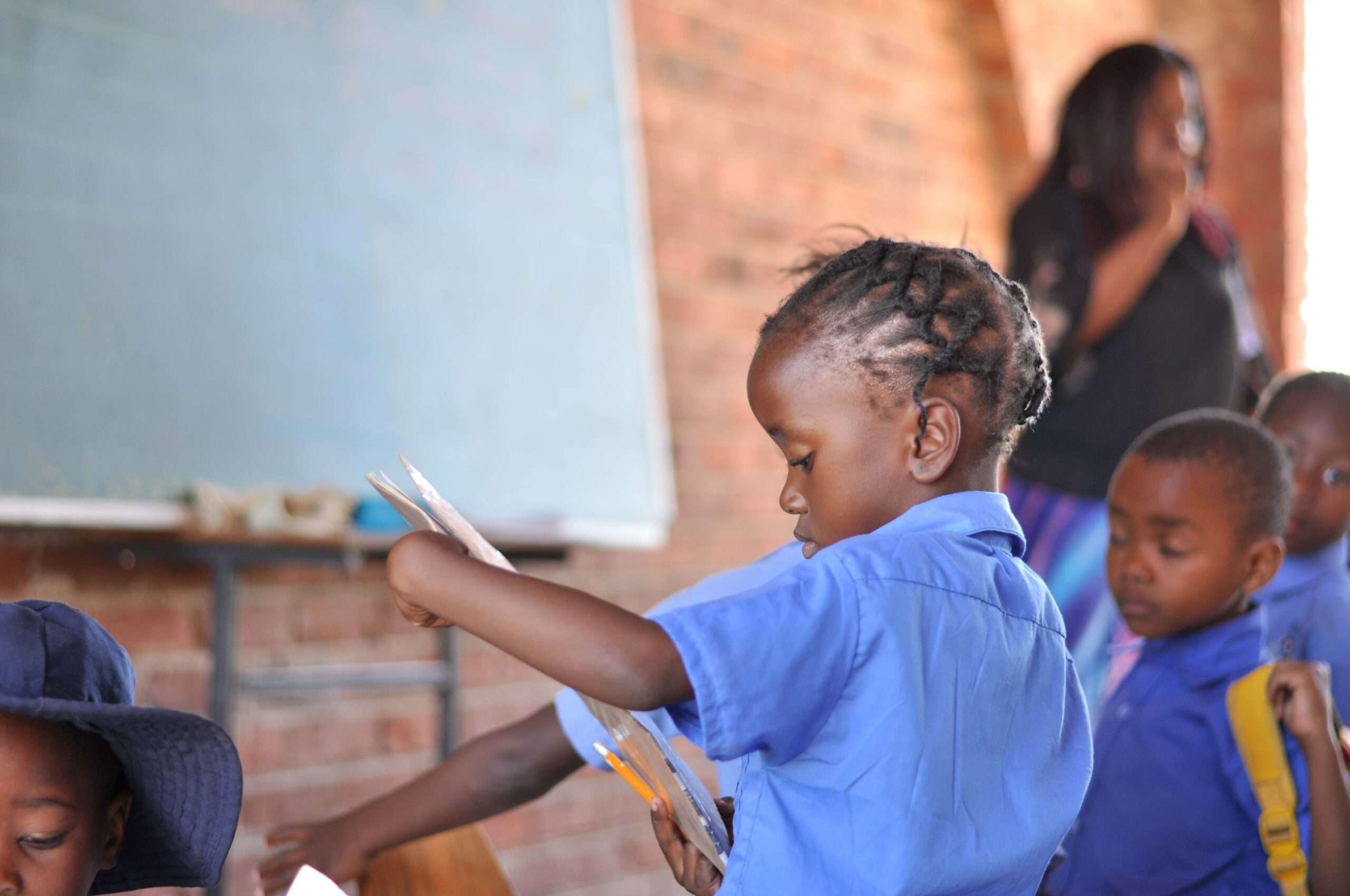
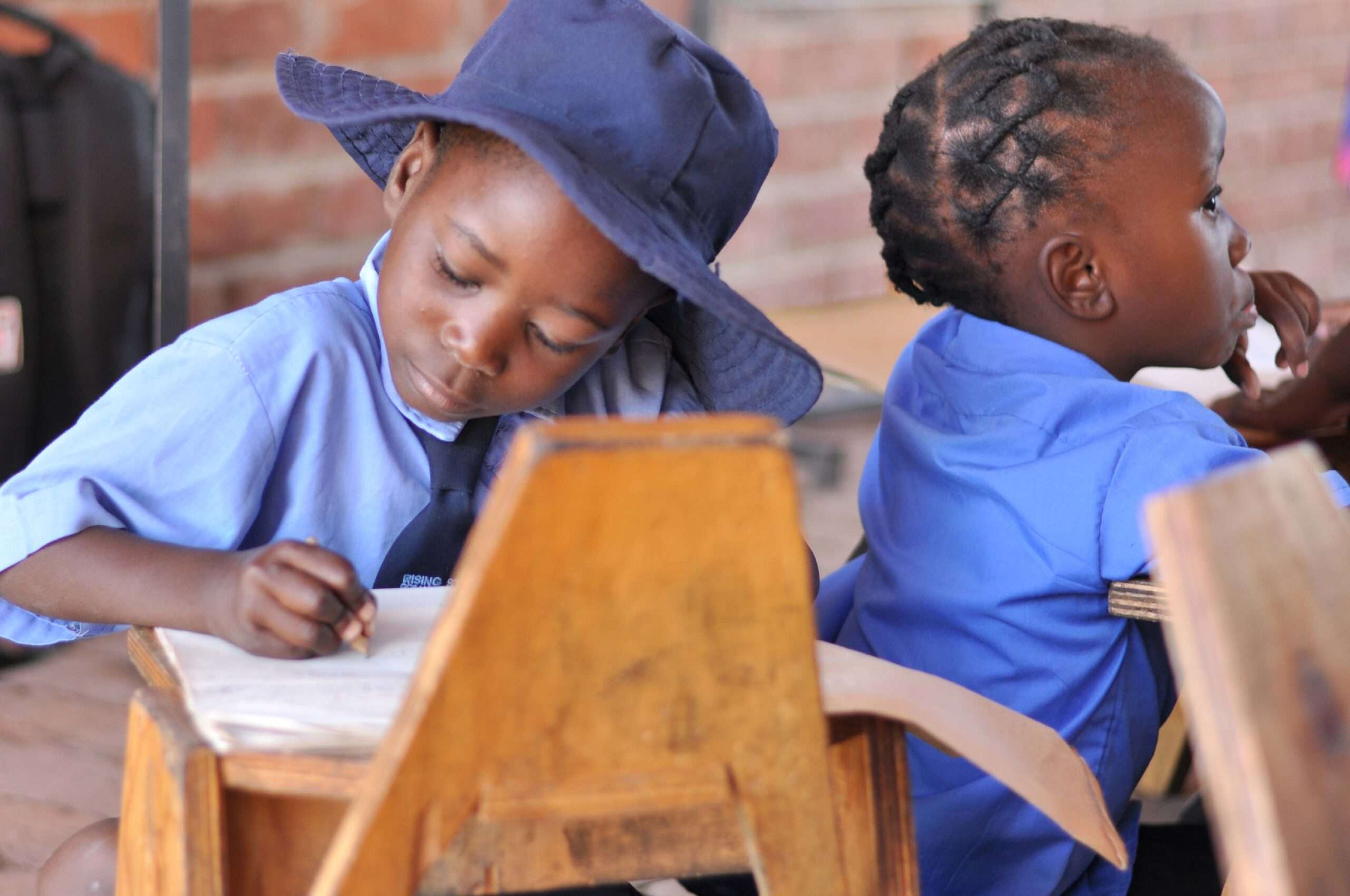

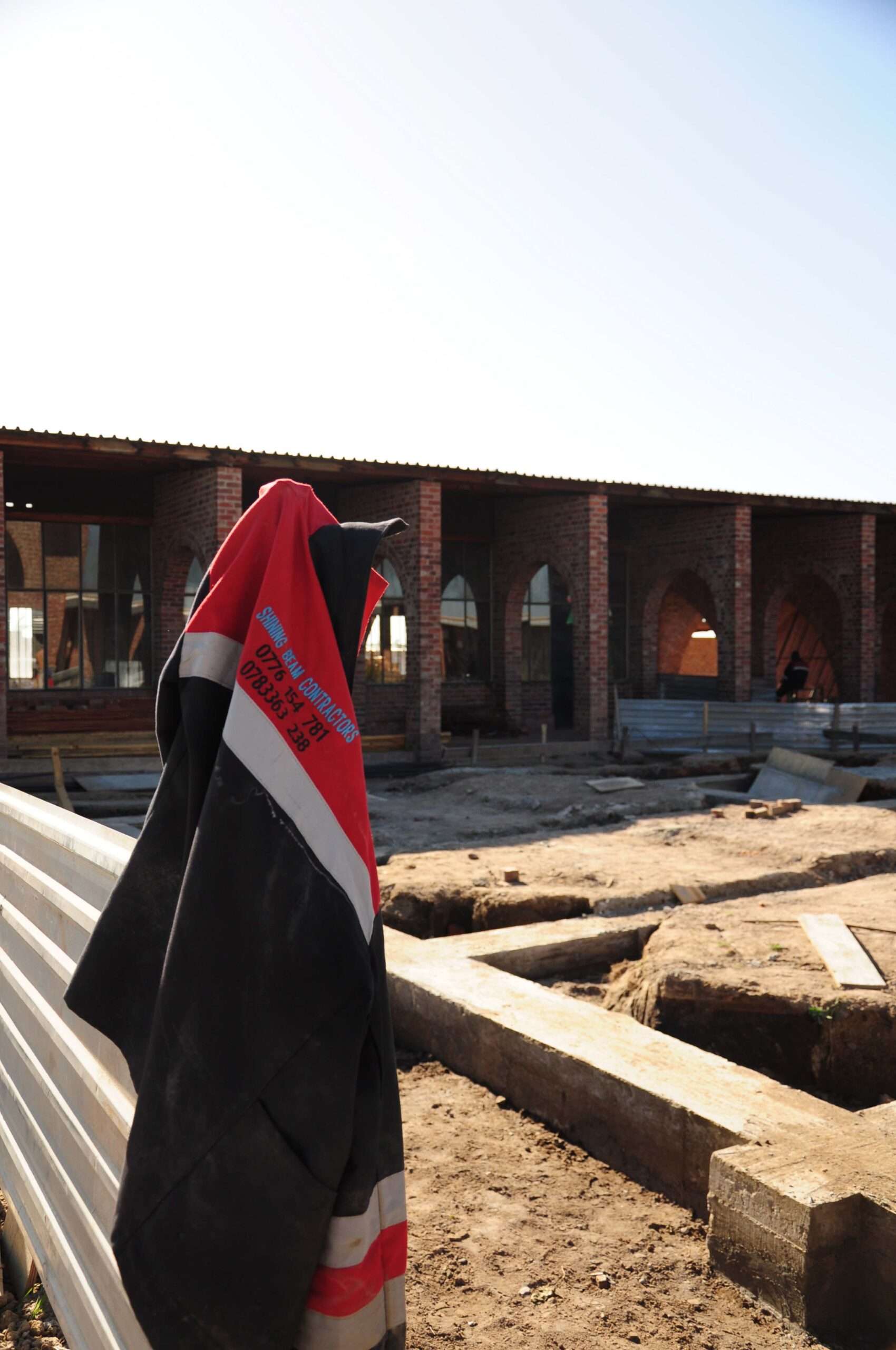
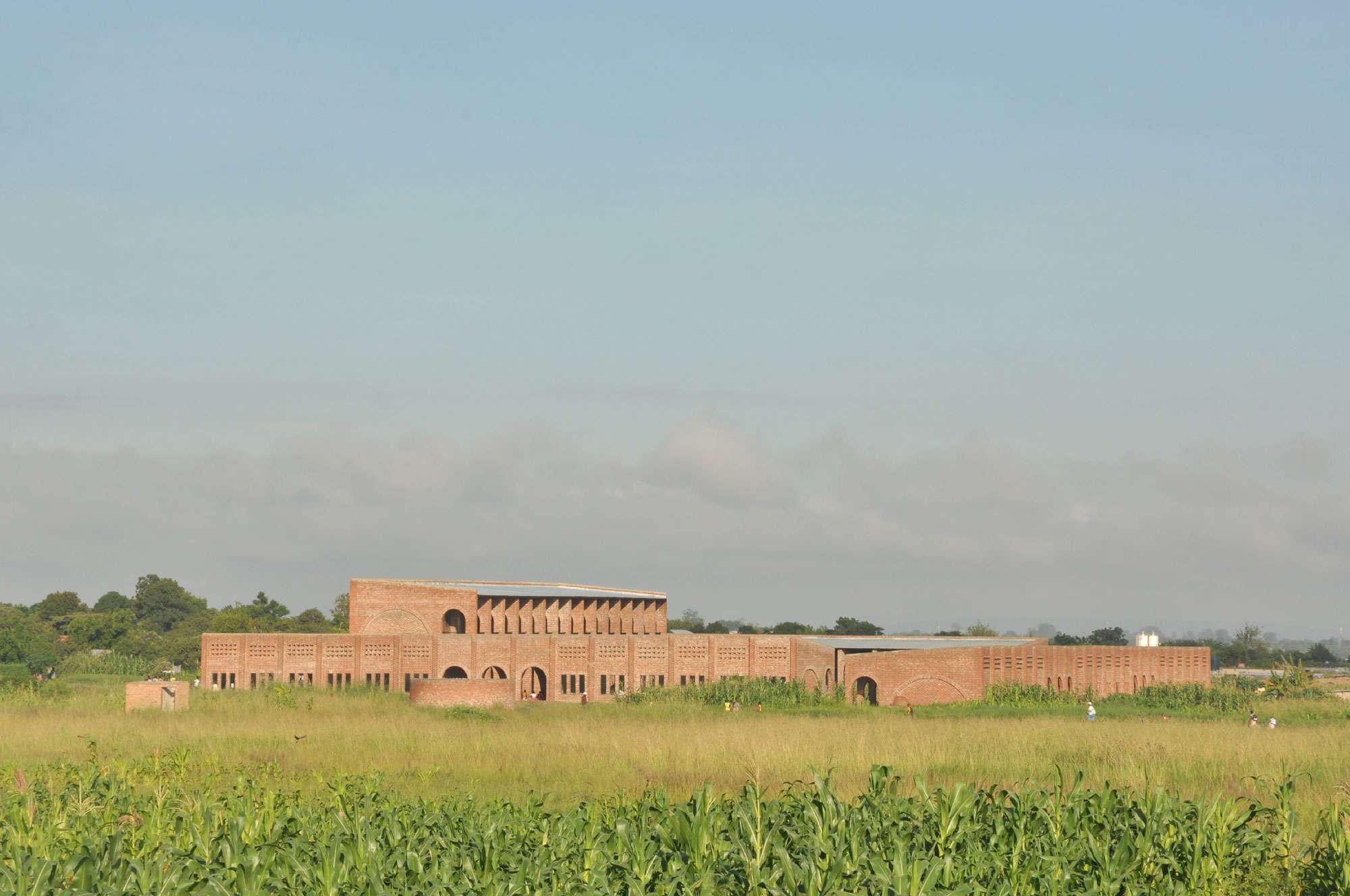
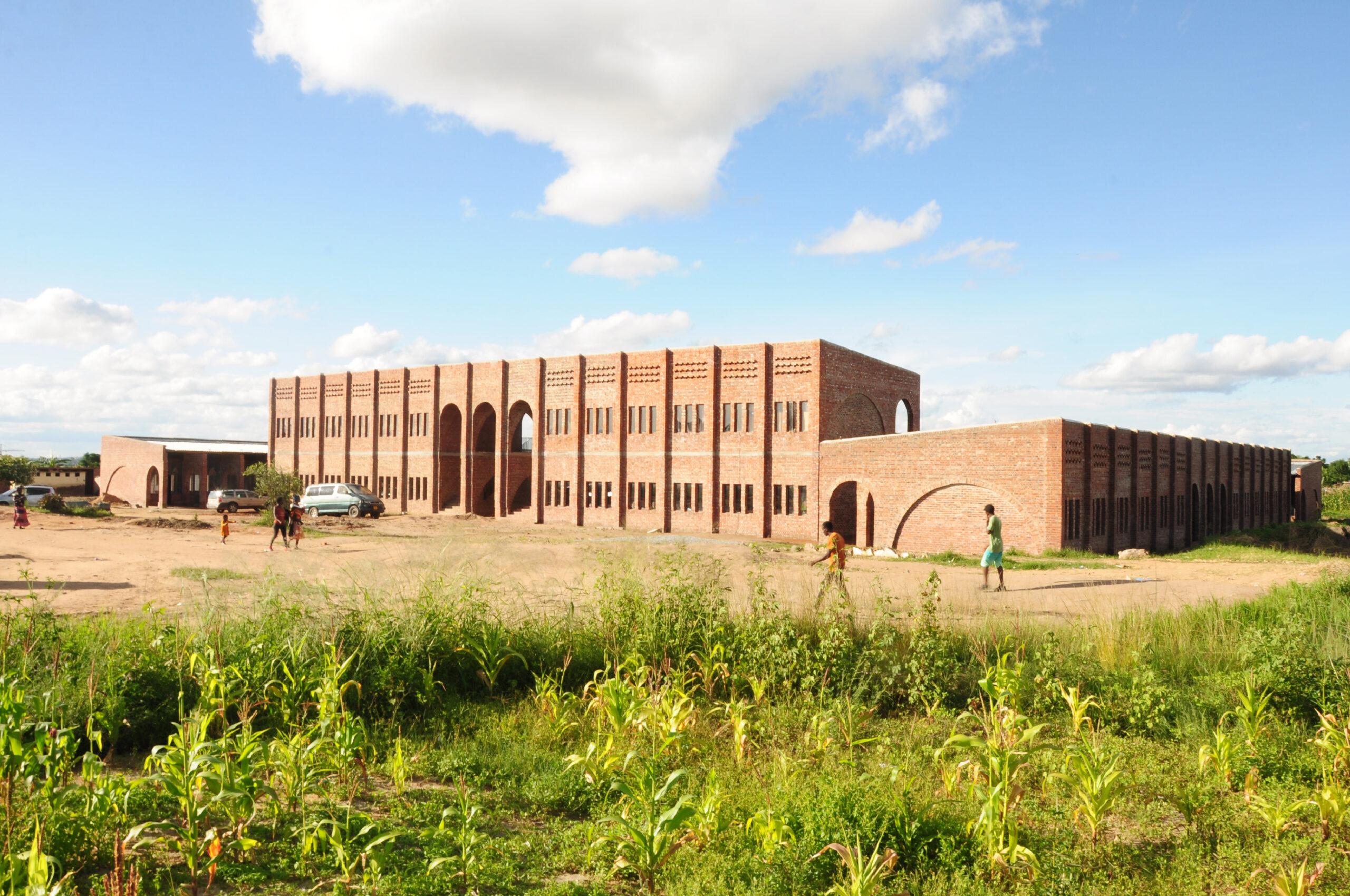
The Rising Star School is located on the outskirts of Harare, the capital of Zimbabwe. The Hopley neighbourhood is characterised by informal housing structures. An estimated 200,000 people live in Hopley, but it lacks basic urban infrastructure such as electricity, running water, and sanitation systems. At the heart of this densely populated settlement, the primary school serves as a hub for the community, functioning not only as a school during regular school hours but also as a gathering place for residents.
The school building was jointly constructed by the school administration, the Vision & Hope Foundation, and Engineers Without Borders Germany. After seven construction phases, it was completed and handed over in March 2023. In addition to classrooms and administrative offices, a sanitation building with separate toilets for girls, boys, and teachers was also built by the same partners. Our founder, Kristina Ziadeh, oversaw the project and construction management on behalf of Engineers Without Borders.
Now, we at studio*k ACT are building on this success and providing the school with its first-ever electricity supply. The plan is to expand the initial phase of the solar power system, which is about to be implemented and will power the administrative area, including the science and computer room. In a second phase, all other classrooms and the borehole will also be connected to the new power grid.
With the solar power installation, the learning and teaching environment for the students, teachers, and all the visitors who use the school in the evenings will improve substantially.
The electrification of the school will provide students with basic digital skills, preparing them for the demands of digital life, learning, and work in the future. Hygiene conditions will also improve, as an electric water pump will connect the school borehole to the newly built sanitation system. This will ensure the full functionality of the toilets, and the closed water and wastewater system will reduce the spread of common diseases that can occur with open and dry sanitation systems.